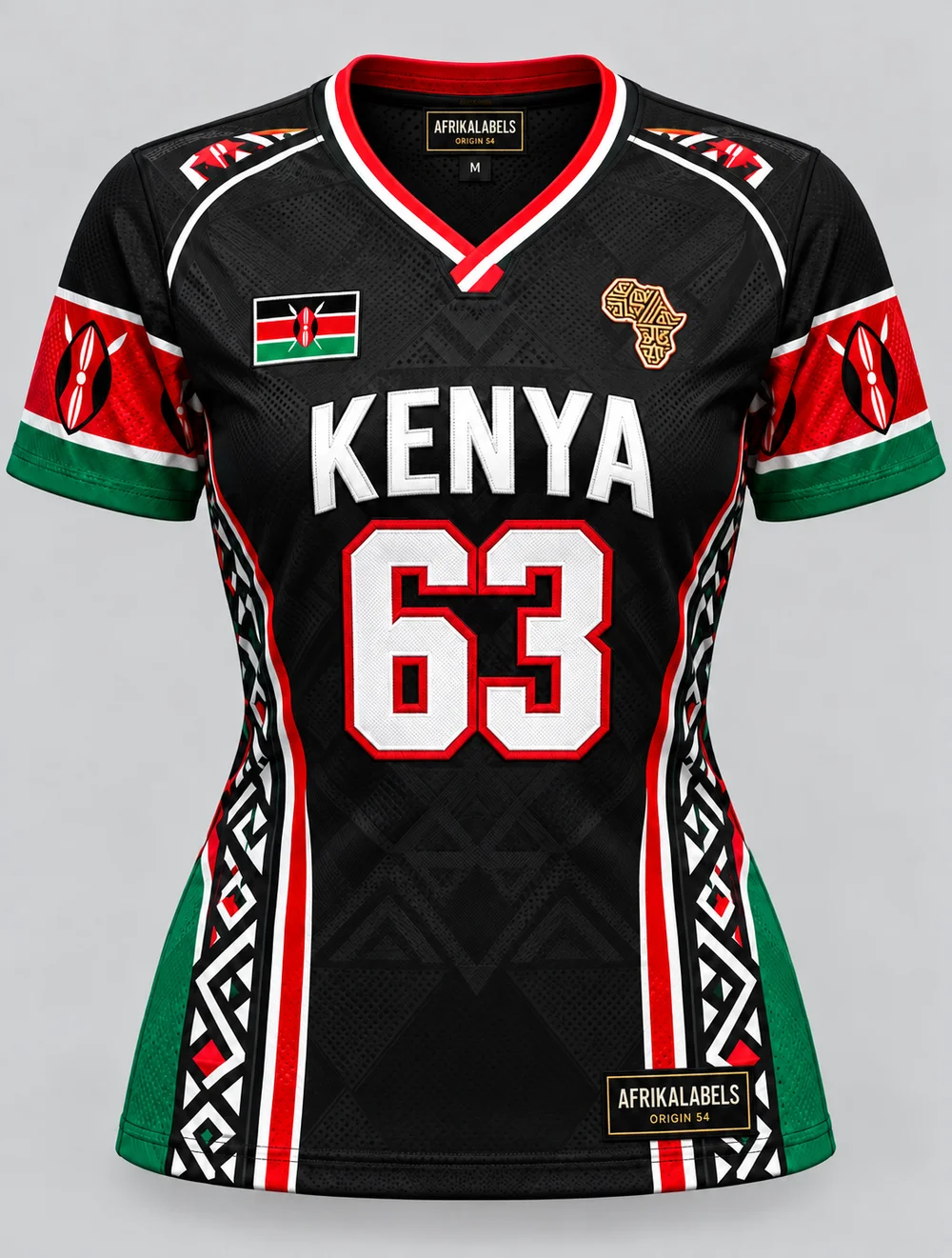
Kenya gained independence from Britain on 12 December 1963. The number 63 remembers that milestone, not the beginning of the country's much older histories. Kiswahili and English are official languages within a richly multilingual society. Isukuti drumming and dance belong to the Isukha and Idakho communities of western Kenya, while Mijikenda traditions connect coastal communities with their sacred Kaya forests. This ORIGIN 54 design celebrates cultural continuity and a shared national journey without reducing Kenya's many identities to a single tradition.
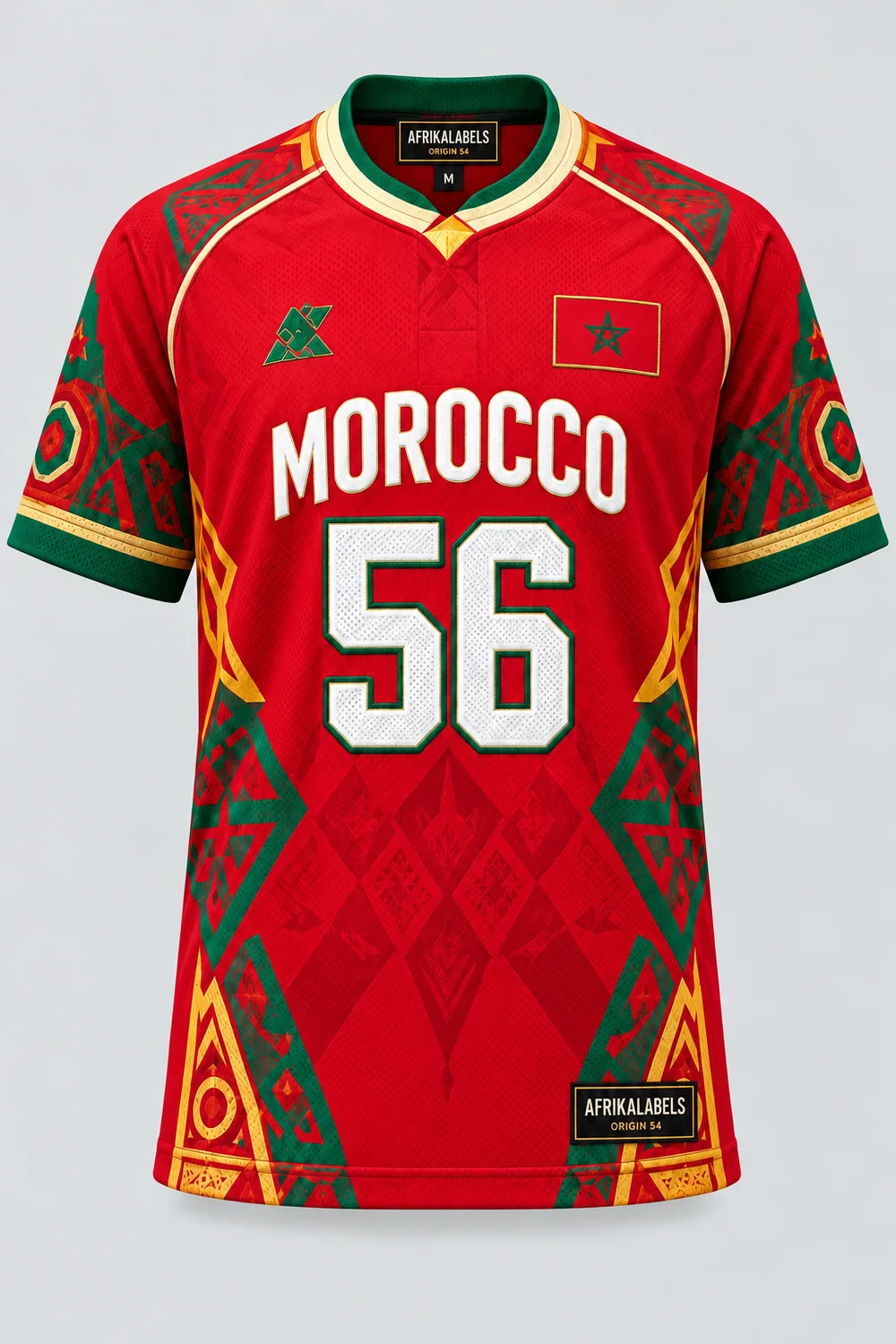
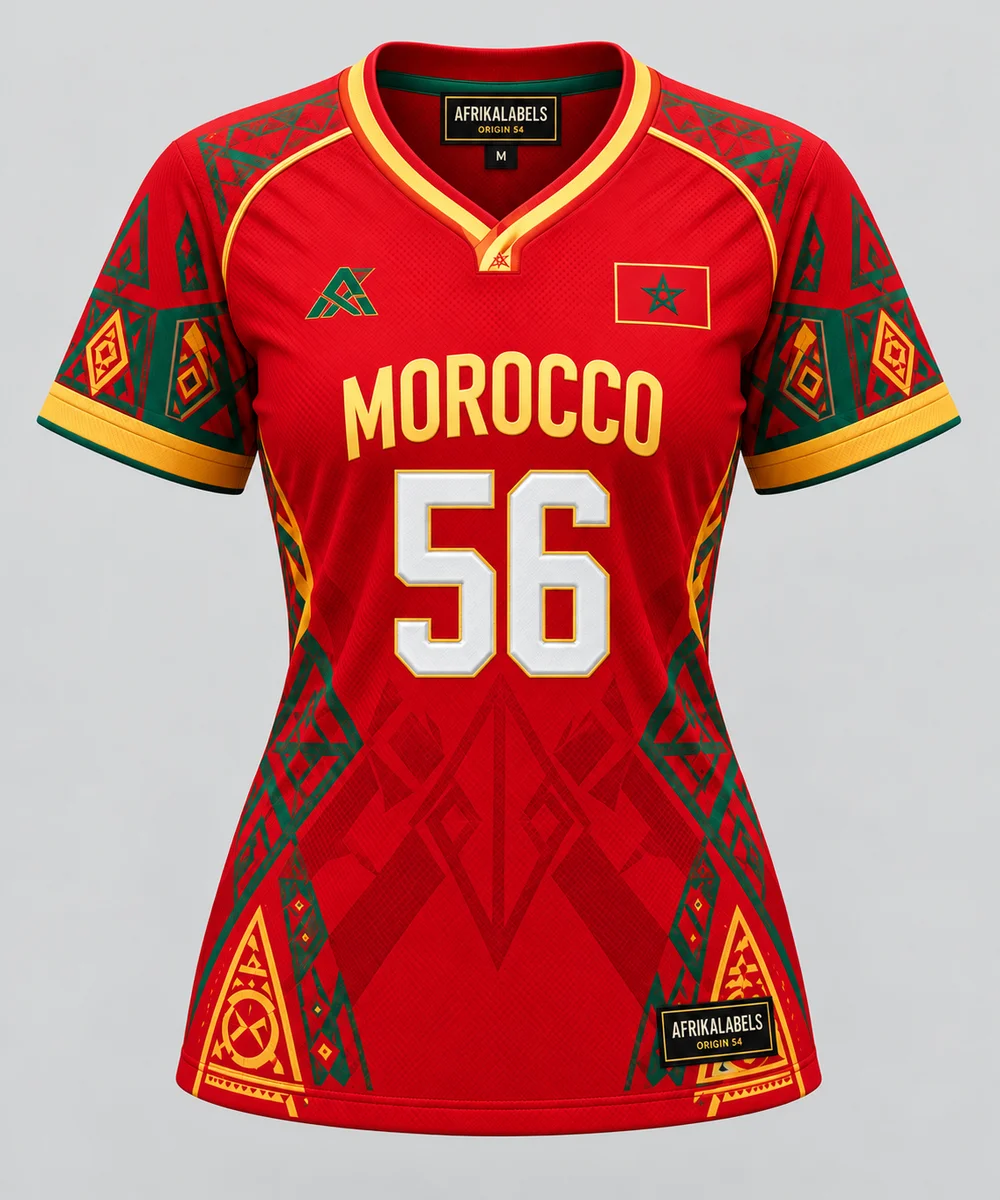
56 / French protectorate ended, 2 March 1956; Spanish arrangements followed
Morocco
Morocco's number 56 recalls 1956, when France recognised its independence on 2 March and arrangements with Spain followed. It marks the end of protectorate rule, not the origin of an already longstanding kingdom. Arabic and Amazigh are official languages, with French also widely used. Amazigh cultural expression and the craft and architecture of historic medinas, including Fez, reveal distinct strands of Moroccan identity. The jersey connects that modern milestone with living traditions, celebrating a heritage shaped across communities, cities and generations.
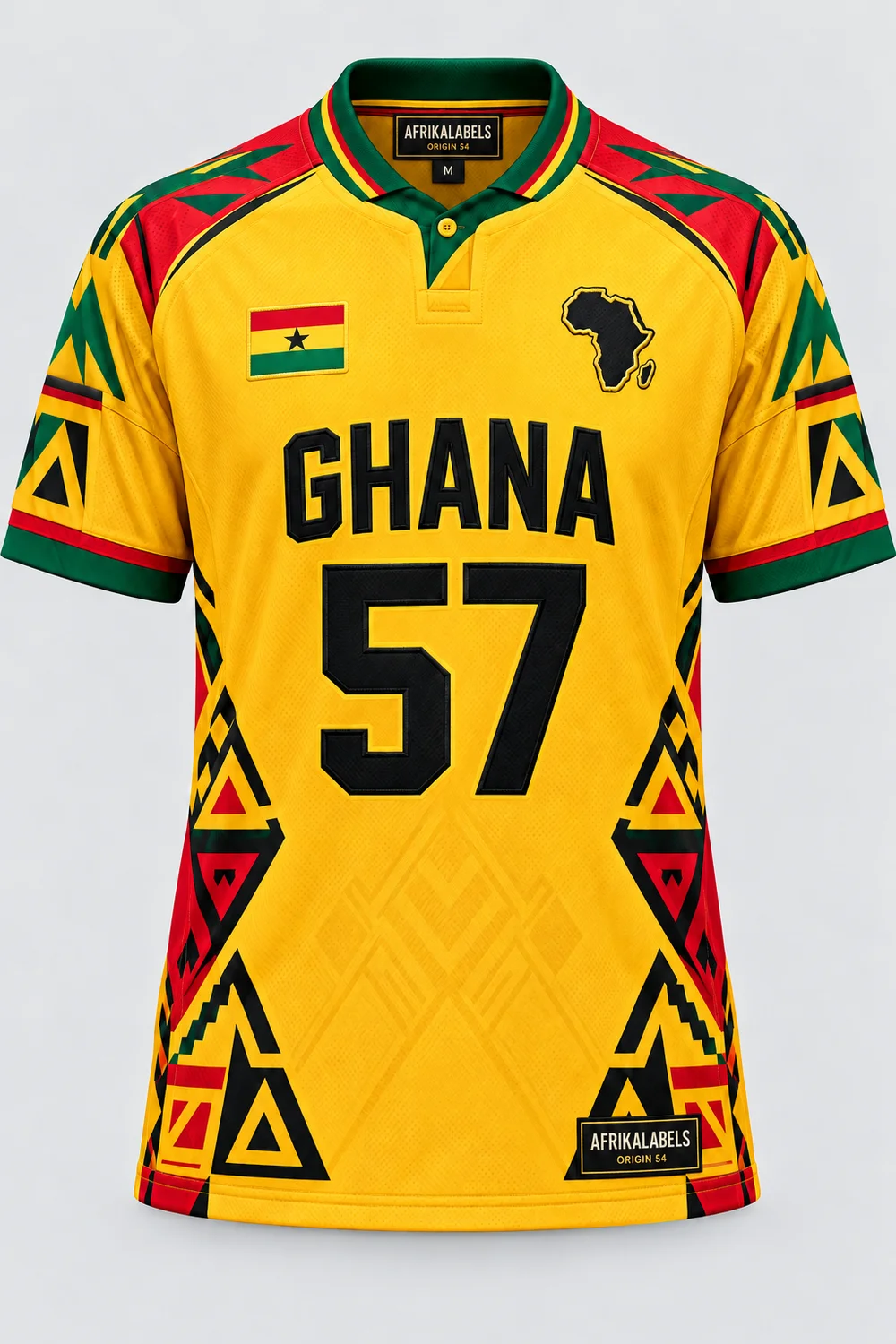
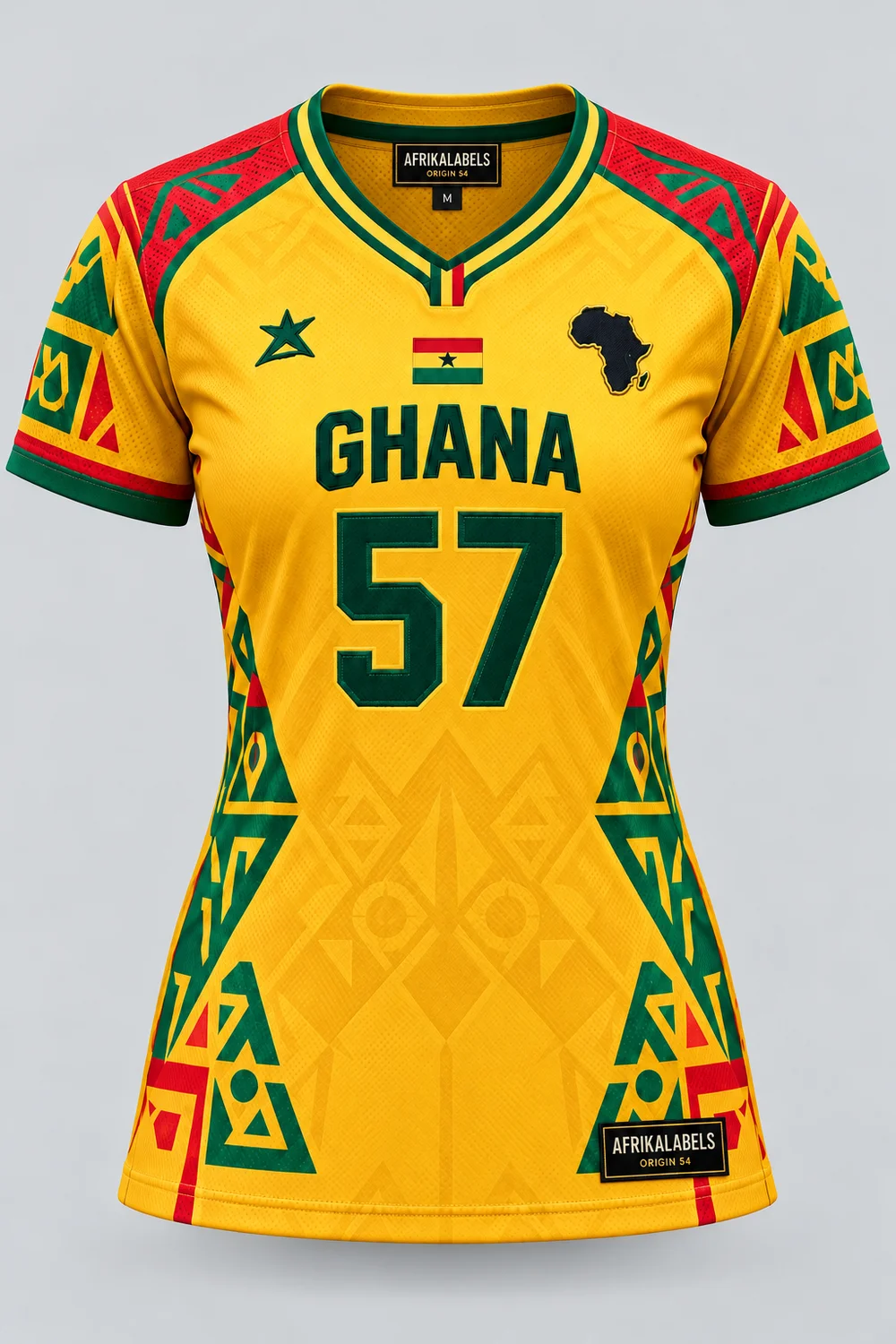
57 / Independence, 6 March 1957
Ghana
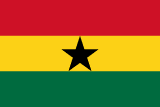
Ghana gained independence from Britain on 6 March 1957, the milestone carried by the number 57. English is the official language, alongside a multilingual cultural landscape that includes Akan, Ewe, Ga and Dagbani. Kente weaving conveys histories and ideas through colour, pattern and named designs; highlife music connects social life, dance and changing generations. The black star expresses Pan-African solidarity. This ORIGIN 54 jersey brings those threads into a contemporary design, honouring both independence and the communities that keep Ghanaian culture moving.
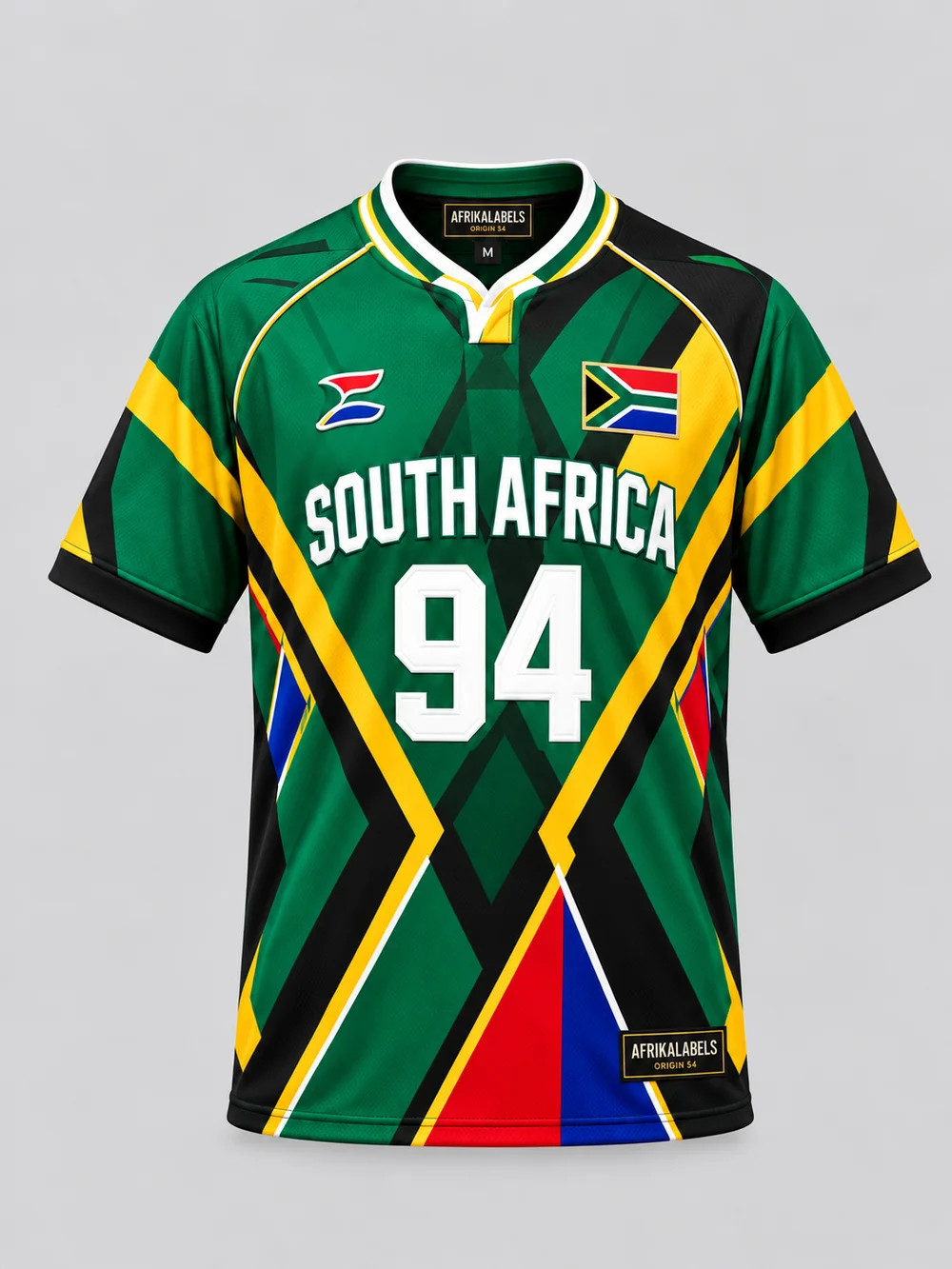
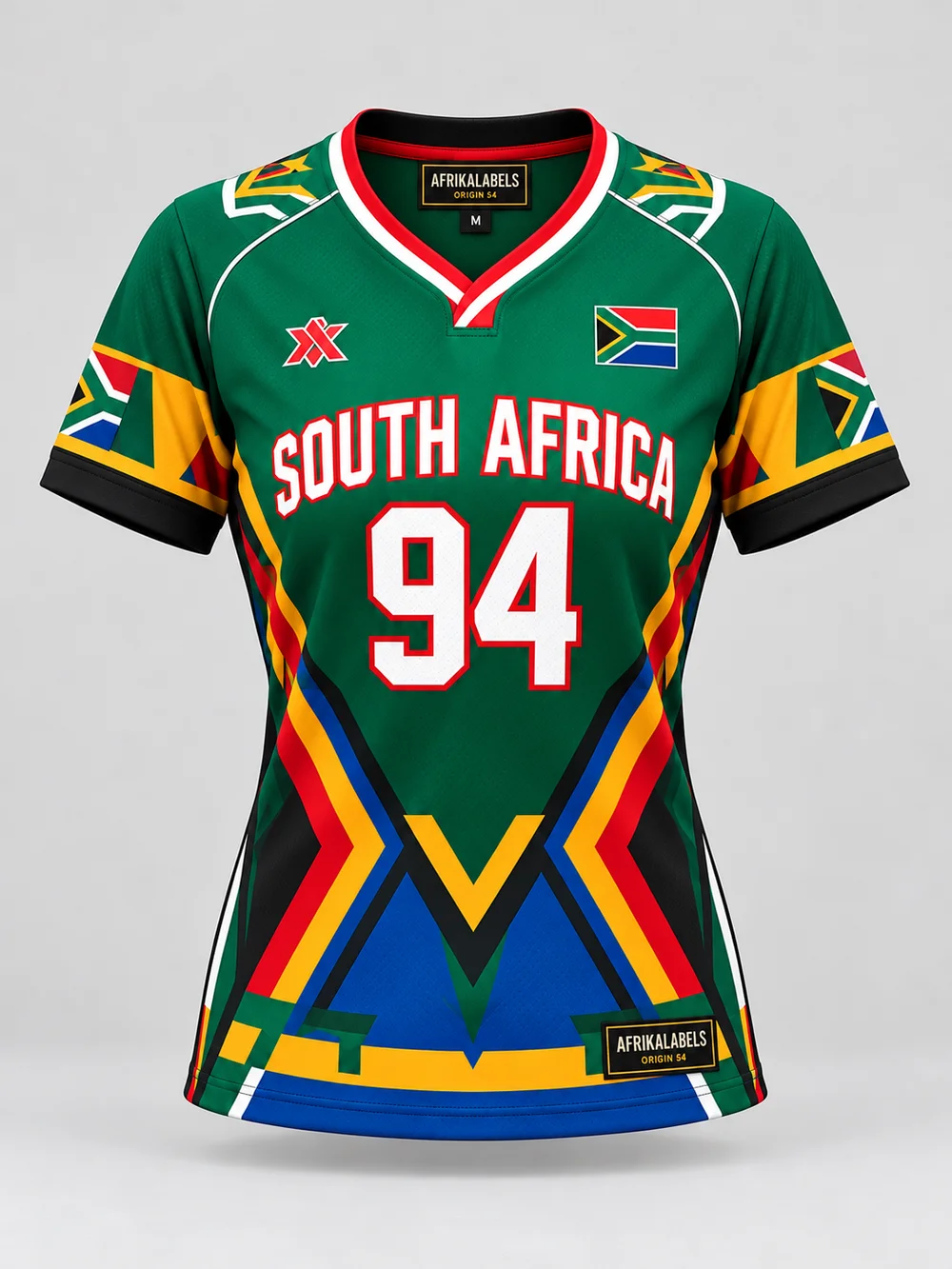
94 / First democratic elections with universal adult suffrage, April 1994
South Africa
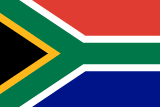
South Africa's number 94 honours the first democratic elections with universal adult suffrage in April 1994, a turning point after apartheid rather than an independence date. The country now recognises twelve official languages, including isiZulu, isiXhosa, Afrikaans, English and South African Sign Language. Beadwork traditions and isicathamiya vocal music are among its many living cultural expressions. This ORIGIN 54 jersey connects the democratic milestone with a diverse, continuing cultural story, acknowledging that no single pattern, language or moment can represent every South African community.
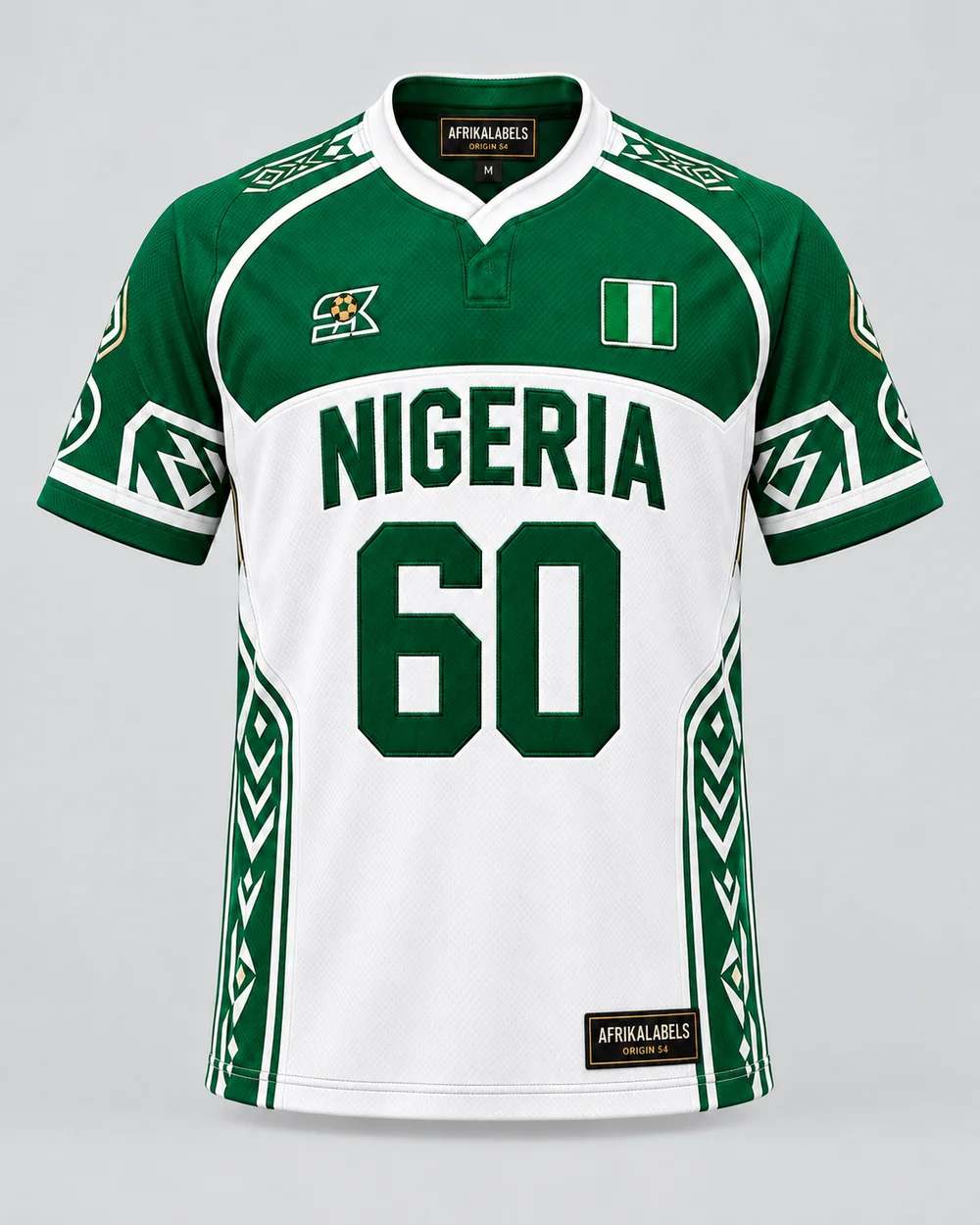
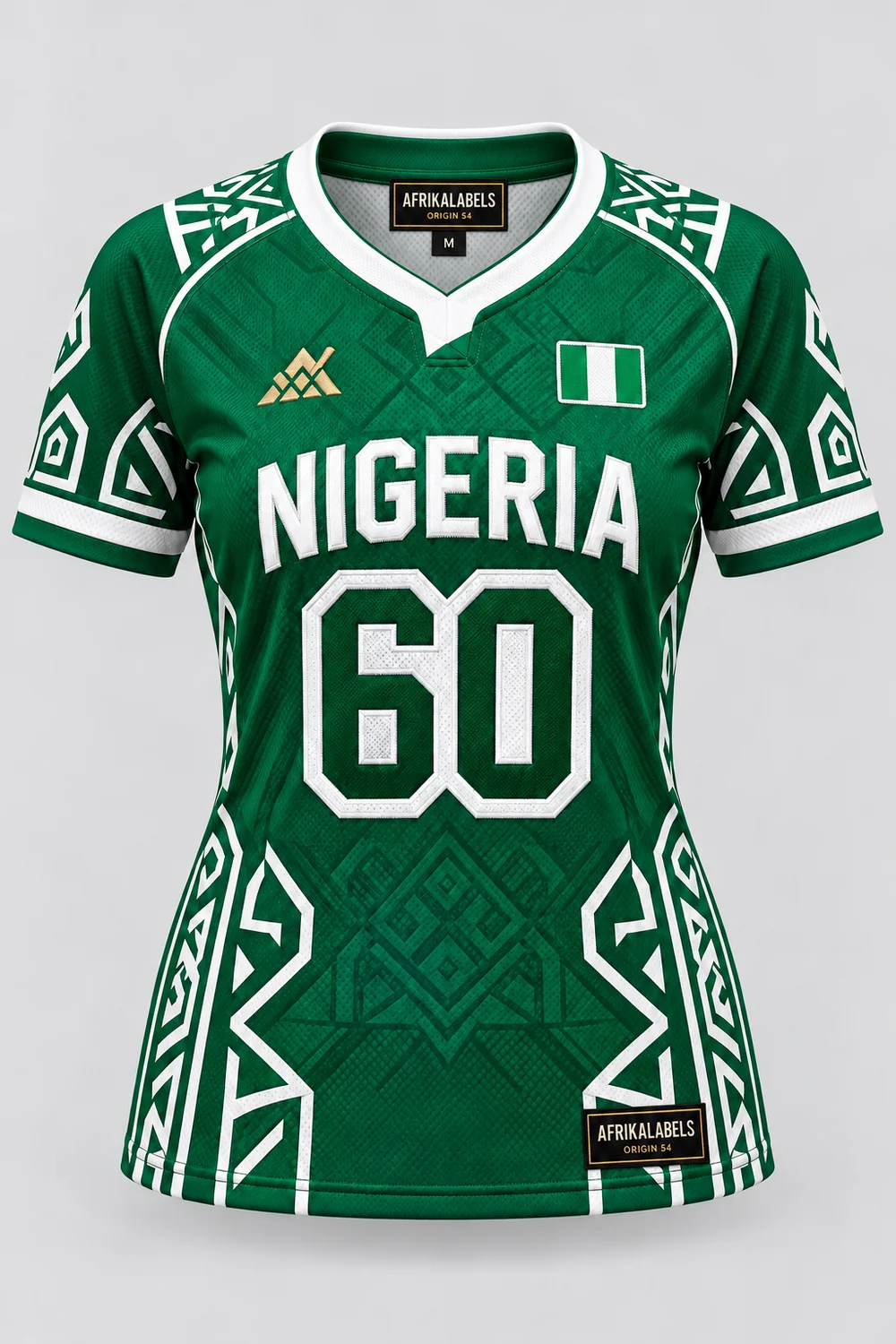
60 / Independence, 1 October 1960
Nigeria
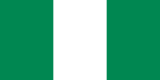
Nigeria gained independence from Britain on 1 October 1960. The number 60 remembers that national milestone within histories that reach far further back. English is the official language, while Hausa, Yoruba, Igbo and many other languages carry everyday life and cultural knowledge. Benin brass-casting traditions and the energetic Atilogwu dance of Igbo communities reveal different forms of artistic achievement. This ORIGIN 54 design honours a shared independence story while leaving space for Nigeria's many peoples, their distinct traditions and their continuing creativity.
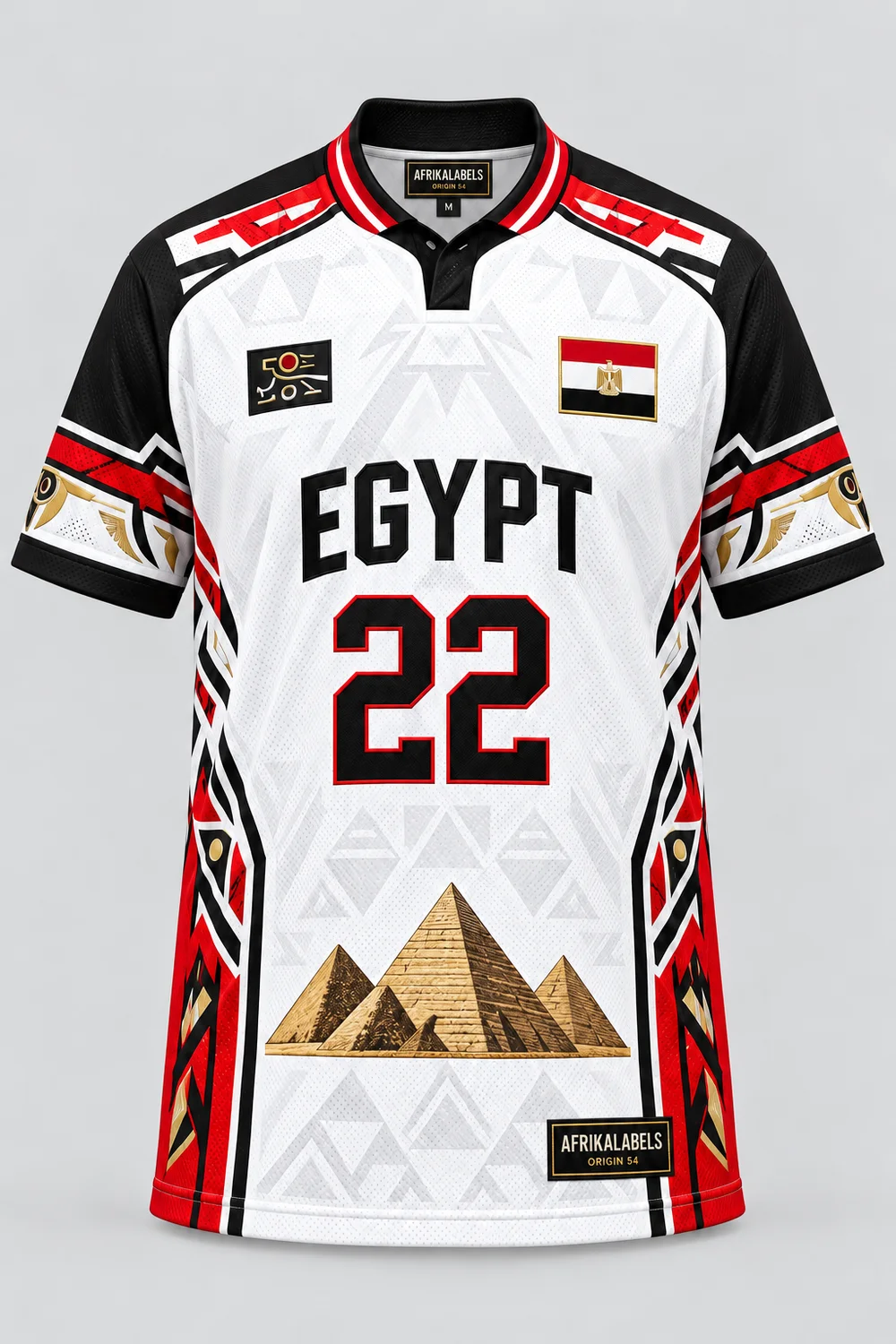
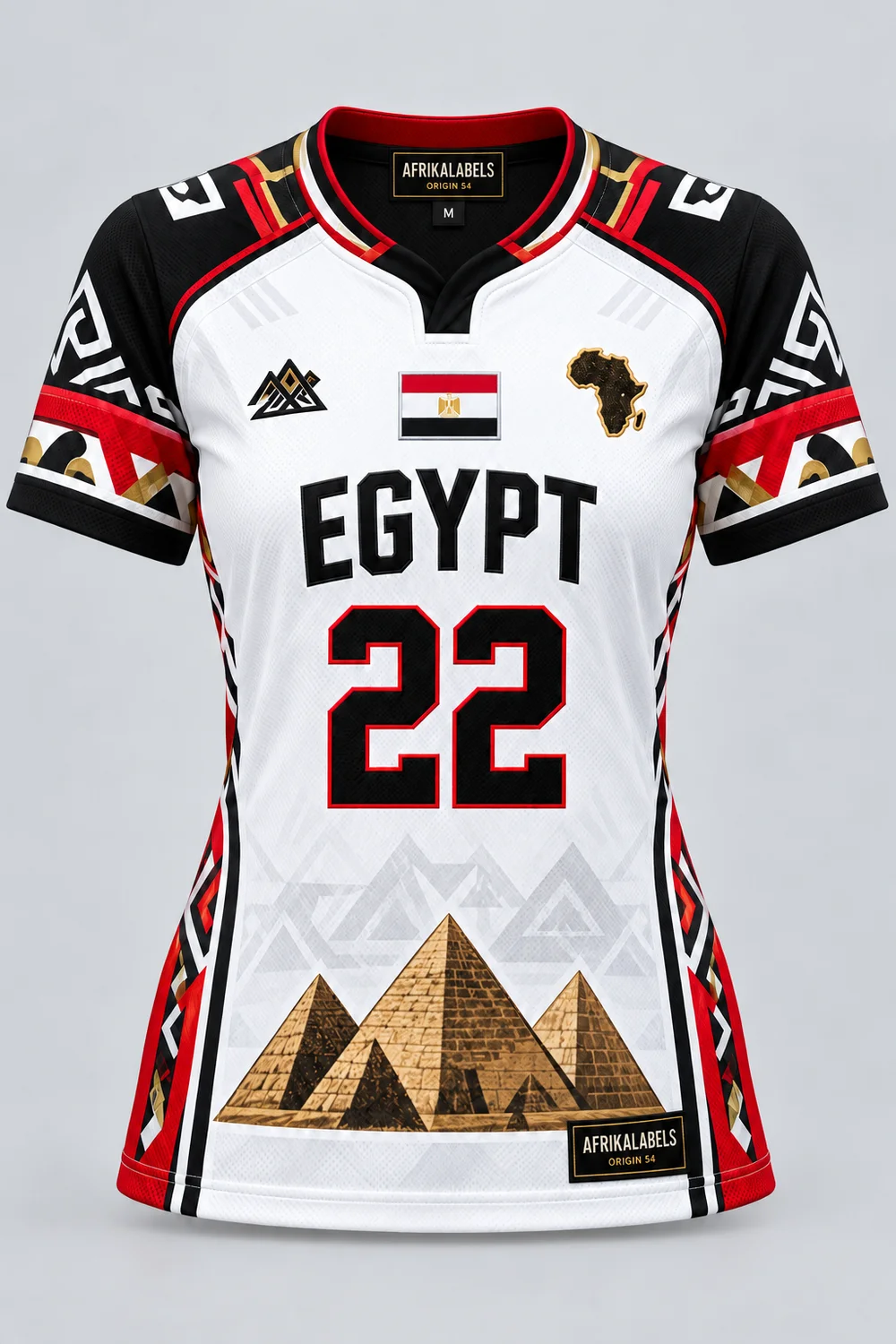
22 / Formal declaration of independence, 28 February 1922, with British reservations
Egypt
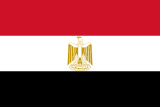
Egypt's number 22 recalls Britain's formal recognition of Egyptian independence on 28 February 1922. British reservations and influence remained, so the date should not be mistaken for complete sovereignty. Arabic is the official language, with Egyptian Arabic widely spoken in everyday life. The Nile's long civilisational history, monumental architecture and the country's influential cinema reveal heritage across very different eras. This ORIGIN 54 jersey connects a modern historical milestone with a continuing Egyptian identity, celebrating living culture as well as ancient achievement.
Stay connected
Be first to hear
Choose your country. No payment or pre-order required.
We use cookies and similar technologies to personalize your experience, understand site performance, and support Afrika Labels services. We will not use optional cookies for these purposes unless you accept them. Learn more in our Privacy Policy.
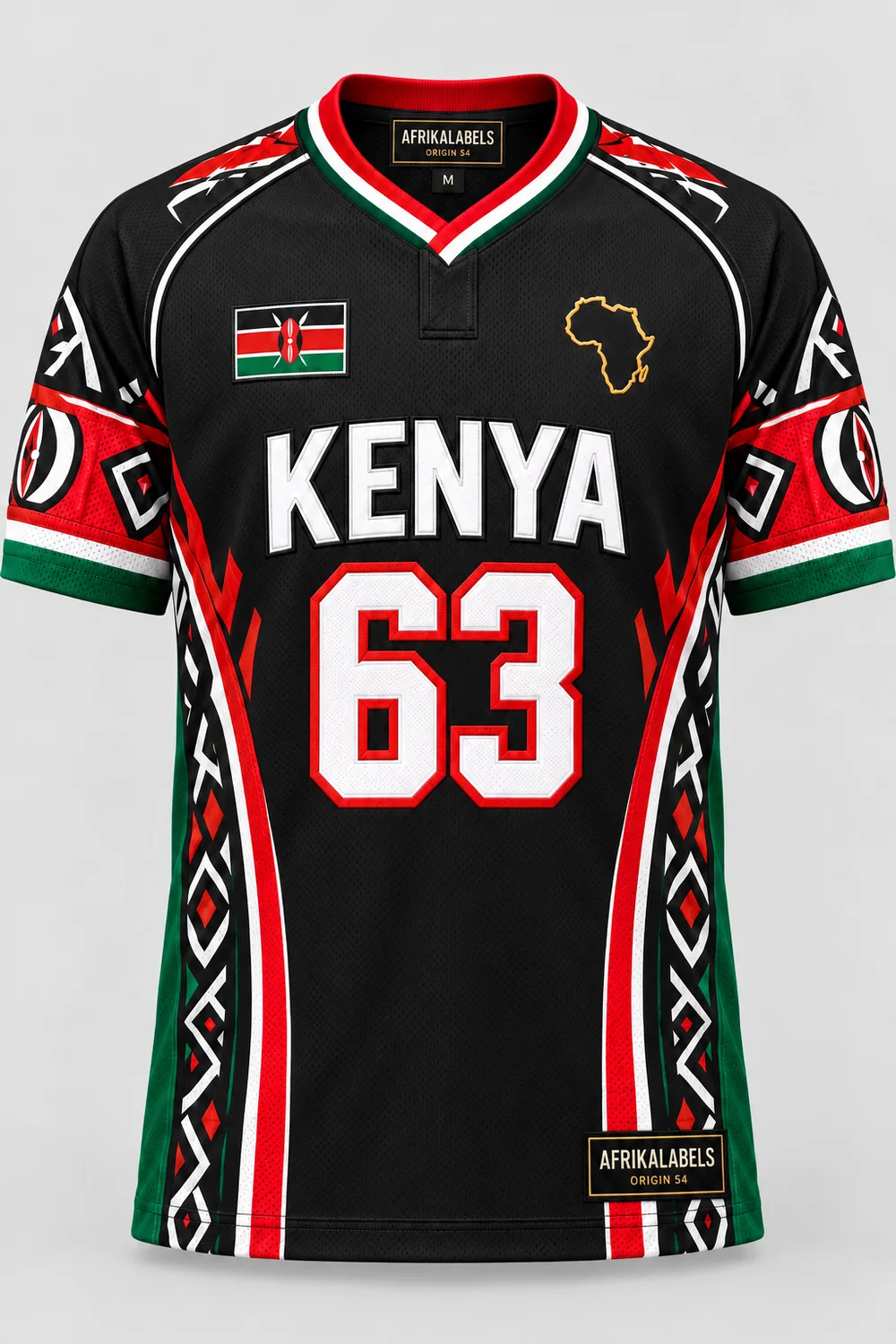 Design concept
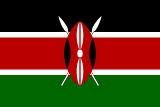 63KenyaExplore country
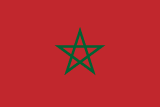 56MoroccoExplore country
 57GhanaExplore country
 94South AfricaExplore country
 60NigeriaExplore country
 22EgyptExplore country
 Design concept
 Design concept
 Design concept
 Design concept
 Design concept
 Design concept
 Design concept
 Design concept
 Design concept
 Design concept
 Design concept